
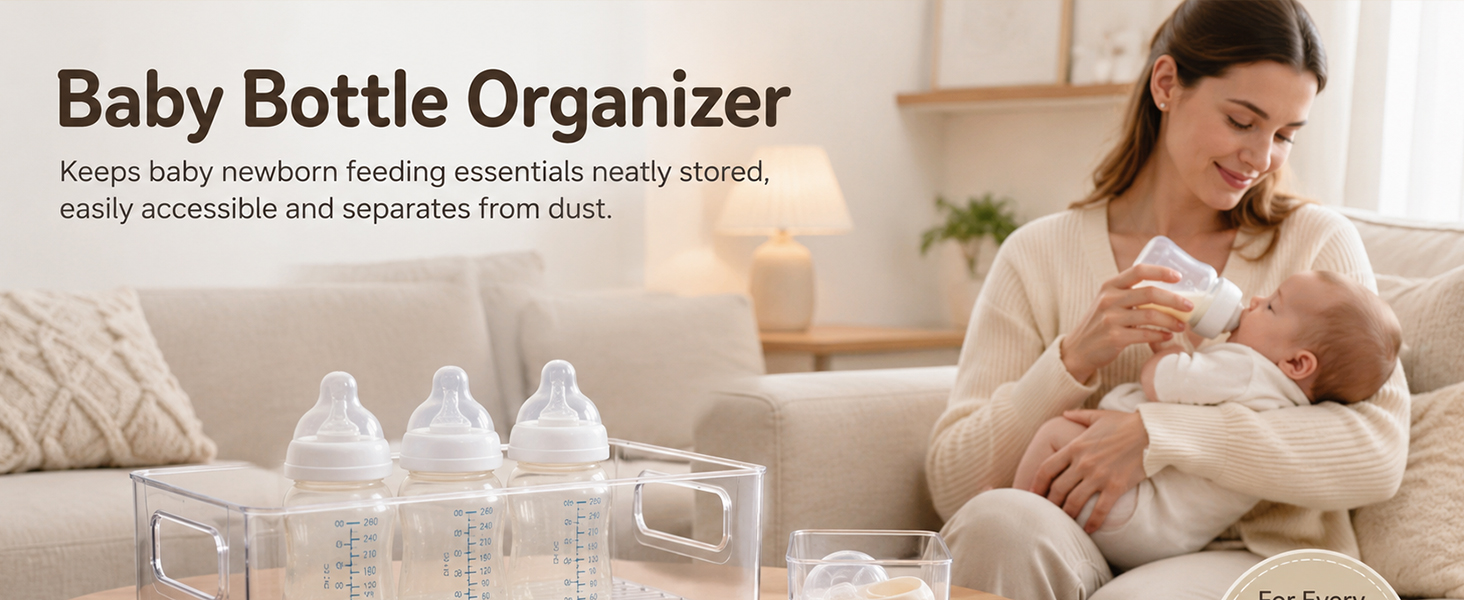
The Ultimate Guide to Baby Bottle Organizers: Smart Storage for a Calmer Nursery
Feeding a baby is one of the most repeated tasks in early parenthood, and bottles seem to multiply overnight. Between clean bottles, sterilized parts, formula, breast milk storage, and travel gear, it is easy for the kitchen counter to become a cluttered sea of plastic and silicone. A baby bottle organizer is a small investment that can make a surprising difference. It brings order to daily feeding routines, protects bottle parts from damage, and helps parents find what they need with one hand while holding a hungry baby with the other. This guide explores practical baby bottle storage ideas, the most useful organizer styles, and simple ways to build a feeding station that works for your home.
Why Baby Bottle Storage Deserves a Second Look
Many parents focus on cribs, strollers, and carriers, but baby products that support everyday routines often deliver the greatest daily relief. Baby bottle storage is not only about tidiness. A dedicated organizer keeps bottles upright, separates clean items from dirty ones, and gives pump parts a safe place to dry. It can also reduce breakage and keep small valves and caps from disappearing into drawers.
More importantly, an organized bottle station saves time. When a baby wakes at night or a caregiver arrives for a feeding, you do not want to search through cabinets for the right nipple size or a clean bottle. A clear, consistent storage system makes feeding smoother for everyone in the household.
Types of Baby Bottle Organizers
Countertop Bottle Racks
Countertop racks are among the most popular baby bottle organizers. They typically hold several bottles upright and often include a separate section for drying racks, nipples, and caps. Look for a compact footprint if your kitchen counter is limited, and choose a design with drainage if it will also serve as a drying area.
Drawer Dividers and Inserts
If you prefer to keep bottles out of sight, drawer dividers are an excellent choice. Adjustable inserts let you create dedicated slots for bottles, breast milk storage bags, and feeding accessories. This style is especially useful in a nursery dresser or a kitchen drawer near the sink.
Rotating and Modular Systems
Rotating organizers make excellent use of vertical space and keep every bottle within reach. Modular systems are flexible because you can add or remove sections as your baby grows. These designs work well for families who use different bottle brands or need to store pump parts alongside bottles.
Travel and Fridge Storage Solutions
For outings or overnight trips, a portable bottle organizer keeps feeding supplies contained and clean. Fridge storage organizers are equally valuable: they separate prepared bottles, milk bags, and snacks while making it easy to follow a first-in, first-out routine.
A good bottle organizer does not just hold bottles. It creates a predictable feeding station that supports calm, confident caregiving.
What to Look For Before You Buy
- Easy to clean: Choose materials that wipe down quickly and resist lingering odors.
- Right capacity: Measure your bottles and count how many you use daily before selecting a size.
- Stable base: A non-slip or weighted base prevents tipping when the organizer is full.
- Ventilation and drainage: If the organizer doubles as a drying rack, airflow matters.
- Compatibility: Check whether the slots fit wide-neck bottles, standard bottles, and pump parts.
- Child-safe design: Avoid sharp edges and small removable pieces that could become hazards.
Practical Tips for a Tidy Bottle Station
- Create zones. Keep clean bottles, dirty bottles, and drying parts in separate areas to avoid confusion.
- Use a one-hand rule. Store the most-used bottles at arm’s reach and place less common accessories higher or farther back.
- Label storage bins. Small labels for nipples, caps, and valves make caregiver handoffs much easier.
- Keep a travel kit ready. A small organizer with a clean bottle, formula dispenser, and burp cloth can save time during outings.
- Declutter weekly. Remove outgrown bottle sizes and worn parts so the organizer stays useful.
Keeping Bottles Clean and Organized
Organization and hygiene go hand in hand. After washing, allow bottles and parts to dry completely before placing them in a closed drawer or cabinet. If your organizer sits on the counter, clean the base regularly to prevent milk residue from building up. Rotate older bottles to the front and store newer or less-used items toward the back. For breast milk storage, keep prepared bottles clearly separated and follow your pediatrician’s guidance on safe storage times.
It also helps to simplify. You do not need every baby product on the market, but a few well-chosen storage tools can make feeding time feel far less chaotic. A bottle organizer, a small drying rack, and a dedicated drawer or shelf may be all you need to create a functional system.
Final Thoughts
The best baby bottle organizer is the one that fits your space, your bottle collection, and your daily routine. Whether you choose a countertop rack, a drawer insert, or a portable travel case, thoughtful baby bottle storage can reduce clutter and make feeding more efficient. With a little planning, baby products can work together to create a calmer nursery and a more confident parenting experience—one clean bottle at a time.