
Bird Feeders & Outdoor Accessories: A Practical Guide to a Thriving Backyard Habitat
A bird-friendly backyard does not happen by accident. It grows from a few thoughtful choices: the right feeder, a dependable supply of seed, smart placement, and outdoor accessories that make the space safer and more inviting. Whether you are welcoming your first chickadee or refining a garden that already hums with activity, the goal is simple—create a feeding station that works for birds, looks good in your outdoor space, and stays easy to maintain.
Quick note: The best setup is not the most complicated one. It is the one you can keep clean, refill regularly, and enjoy watching from a comfortable distance.
Start With the Right Feeder for Your Birds
Bird feeders come in many shapes, and each style attracts a different mix of visitors. A tube feeder filled with sunflower seeds is a classic choice for small songbirds such as finches, titmice, and chickadees. Platform feeders offer open access and tend to attract cardinals, jays, and ground-feeding birds. Suet feeders are especially valuable in colder months, when high-energy food helps birds stay warm. Nectar feeders, meanwhile, bring hummingbirds into view during the warmer season.
- Tube feeders: Good for small seeds and multiple birds at once.
- Hopper feeders: Easy to fill and useful for larger seeds.
- Platform feeders: Open, simple, and attractive to many species.
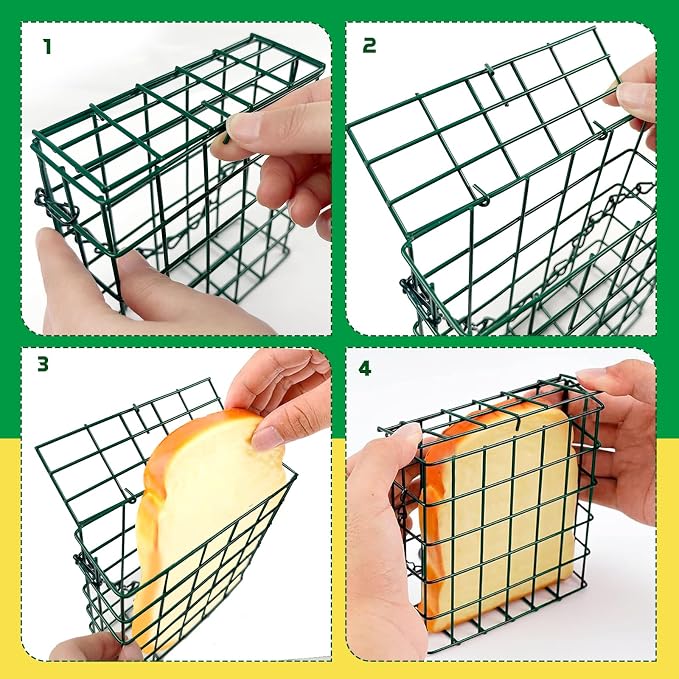
- Suet cages: Excellent for woodpeckers and winter feeding.
Before buying, think about the birds you see nearby. Matching the feeder to local visitors is more effective than collecting every style at once.
“A feeder is not just a container for seed. It is a small piece of habitat—and the details determine who feels safe enough to use it.”
Seed, Suet, and Nectar: Match the Menu to the Visitors
Fresh food matters. Black-oil sunflower seed is a reliable all-purpose option because it is high in energy and popular with many birds. Striped sunflower seed has a harder shell, while nyjer seed is a favorite for finches. Avoid cheap seed mixes that contain a lot of filler; birds often toss those ingredients aside, and the waste can attract pests.
Suet should be offered in cool weather or in a shaded spot during warmer months. Nectar for hummingbirds should be kept simple: a sugar-and-water mix, changed often, especially in hot weather. Never use red dye, honey, or artificial sweeteners in nectar.
Placement Matters More Than You Think
Put feeders where birds can approach safely and where you can see them without disturbing them. Keep feeders about ten to twelve feet from shrubs or trees, or very close to cover, depending on the layout. This gives birds a quick escape route from hawks and cats. Avoid placing feeders directly against reflective windows; instead, use window decals, screens, or feeder placement to reduce collisions.
- Choose a quiet spot with some shelter from wind.
- Keep feeders visible from a window for easy observation.
- Place them away from low hiding spots used by cats.
- Use a baffle on the pole to discourage squirrels and raccoons.
Outdoor Accessories That Make a Real Difference
The right accessories turn a basic feeder into a practical outdoor station. A sturdy pole system keeps feeders stable and makes cleaning easier. Squirrel baffles protect the seed supply, while weather guards keep rain and snow out of open feeders. Seed trays catch fallen food and reduce mess. A birdbath adds another layer of habitat, especially when it has shallow water and a rough surface for grip.
Other useful additions include a brush for cleaning feeder ports, a scoop for refilling seed, and a sealed storage container to keep food dry. If you enjoy watching from indoors, a pair of binoculars and a nearby field guide can make the experience richer without adding clutter to the garden.
Cleaning and Seasonal Care
Clean feeders regularly—at least every couple of weeks, and more often during warm, humid weather. Empty old seed, scrub away residue, rinse thoroughly, and let the feeder dry before refilling. Dirty feeders can spread illness among birds, so consistency matters. In winter, keep feeders filled during cold snaps and after storms. In summer, watch for mold, ants, and spoiled nectar.
Designing a Cozy, Bird-Friendly Outdoor Corner
Bird feeders and outdoor accessories work best when they feel like part of the landscape. Group feeders with a birdbath, a few native plants, and a quiet seating area. Add a small bench or chair where you can sit still and observe. The result is not only a better feeding station, but a more peaceful outdoor space—one that welcomes birds, supports healthy habits, and rewards careful attention with daily visits.
Final thought: Start small, keep it clean, and let the birds tell you what works. A thoughtful feeder setup can turn any yard, balcony, or garden edge into a lively and generous habitat.