
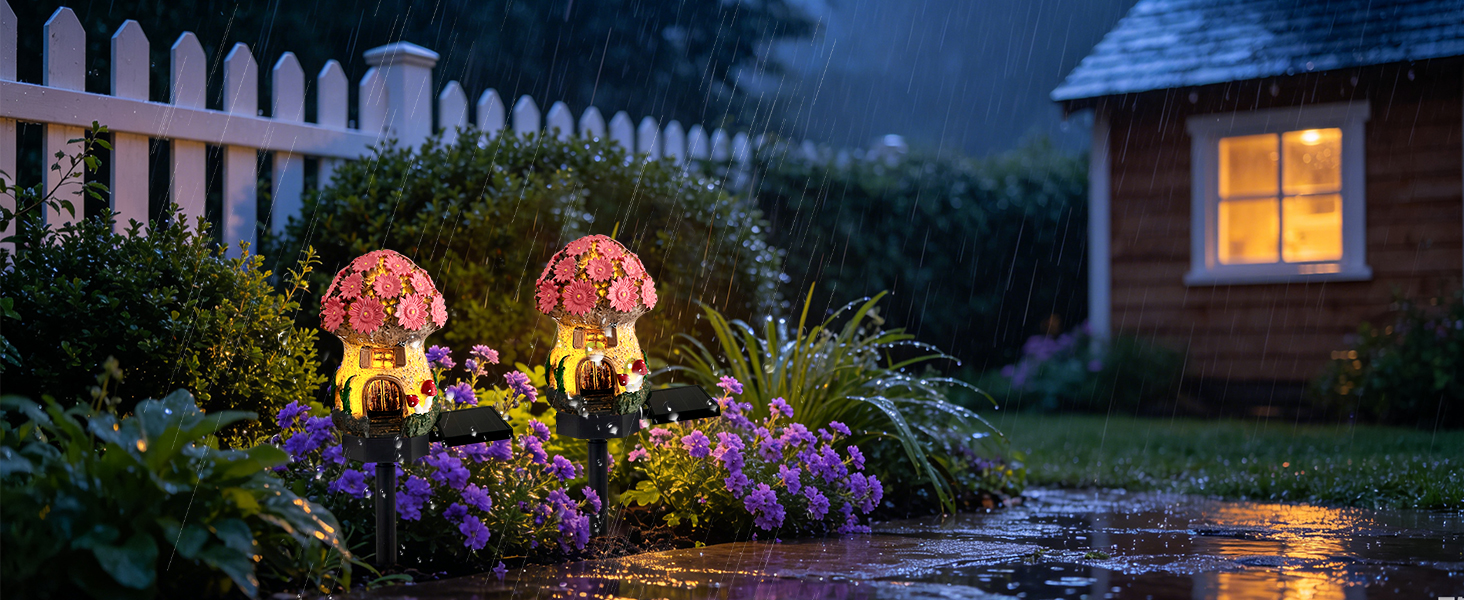
Solar Pathway Lights: A Practical Guide to Beautiful, Energy-Smart Outdoor Lighting
Solar pathway lights are one of the simplest ways to improve an outdoor space. They guide guests along a walkway, add warmth to a garden, and make a yard feel safer after dark—without wiring, trenching, or adding to your electricity bill. Because they rely on sunlight, they are also a practical choice for homeowners who want low-maintenance lighting that works quietly in the background. But not all solar path lights perform the same way. A little attention to brightness, battery quality, placement, and design can turn a basic purchase into a long-lasting upgrade.
Why Solar Pathway Lights Are Worth Considering
The appeal of solar pathway lighting goes beyond convenience. These fixtures are designed to absorb daylight through a small photovoltaic panel, store that energy in a rechargeable battery, and release it through an LED at night. That cycle repeats automatically, which means you do not need to remember to switch them on or off. For pathways that are far from an outdoor outlet, solar lights can be the most affordable solution.
- No wiring required: Place them along beds, borders, and walkways without hiring an electrician.
- Low operating cost: Sunlight does the work, so there is no added electricity use.
- Flexible placement: Move them when you redesign a garden or change a path.
- Weather-friendly options: Many models are built with waterproof housings and sealed components.
Choosing the Right Solar Pathway Lights
Before buying, think about how you want the path to feel at night. Soft, warm light creates a welcoming atmosphere, while brighter neutral light improves visibility. The best choice depends on the size of your yard, the distance between fixtures, and the amount of direct sun each location receives.
Brightness, Battery, and Runtime
Look for lumen ratings that match the job. Low-output lights are fine for decorative accenting, but a main walkway may need brighter fixtures. Battery capacity matters just as much. Lithium-ion batteries generally hold up better than older battery types, especially in cold weather. Check the stated runtime and choose a model that can last through the night, not just for a few hours after sunset.
Materials and Weather Resistance
Outdoor lighting has to survive rain, heat, dust, and seasonal temperature changes. Metal housings, especially powder-coated aluminum or stainless steel, often look more polished and resist wear better than thin plastic. A solid waterproof rating and sealed battery compartment are important for rainy climates. If winters are harsh, choose fixtures designed for low temperatures and bring removable batteries inside during extreme cold if the manufacturer recommends it.
Installation Tips for Better Performance
Good placement is the difference between a beautiful glow and a disappointing row of dim lights. Solar panels need direct sun, so avoid spots shaded by trees, walls, or buildings for most of the day. Space fixtures evenly, usually six to eight feet apart for smaller lights, and keep them slightly away from the path edge so they do not become tripping hazards.
- Test before installing: Let each light charge in direct sun for a full day and confirm that it turns on.
- Position the panel: Angle the solar panel toward the sun and keep it free of leaves and debris.
- Use a firm base: Push stakes into soil, or use mounting bases on patios and gravel paths.
- Group by purpose: Use brighter lights near steps and softer lights along flower beds.
A solar pathway light is only as reliable as its access to sunlight. If a spot stays shaded, no battery upgrade will make it shine like a sunlit location.
Design Ideas That Make a Difference
Solar path lights can do more than line a walkway. Use them to define the edges of a garden bed, highlight a favorite plant, or create a gentle rhythm along a fence. Matching fixtures create a clean look, while mixing heights and finishes can add a more layered, relaxed feel.
- Pair with mulch and stone: Dark mulch makes warm light stand out; pale gravel spreads a softer glow.
- Stagger heights: Taller fixtures near trees and shorter lights along borders add visual depth.
- Keep it subtle: Too many bright lights can make a small yard feel busy and harsh.
Simple Maintenance Habits
Solar lights need very little care, but a few routine habits keep them working well. Wipe the solar panel every few weeks, remove fallen leaves, and check that the stake is still upright after storms. If a light stops working, clean the panel, replace the battery, and confirm that the switch is set to the correct mode.
Final Thoughts
Solar pathway lights are a small addition with a big impact. They improve safety, add charm, and make outdoor spaces feel finished without complicated installation. Choose fixtures with realistic brightness, durable materials, and good battery life, then place them where they can soak up the sun. With thoughtful placement and occasional cleaning, they can provide reliable, energy-smart lighting for years.