
Gear Up for the Great Outdoors: The Ultimate Guide to Sports & Outdoors Equipment
Whether you are lacing up for a weekend trail run, packing for a multi-day backcountry trek, or simply setting up camp with family, the right sports & outdoors equipment can transform a good experience into an unforgettable one. The market is flooded with options, but smart selection comes down to understanding your needs, the environment, and the quality that lasts. This guide breaks down the essentials, emerging trends, and practical habits that keep your gear performing season after season.
Why the Right Equipment Makes or Breaks an Adventure
Outdoor pursuits are inherently unpredictable. Weather shifts, terrain varies, and energy levels fluctuate. Reliable equipment acts as your safety net and your performance multiplier. A well-fitted backpack distributes weight efficiently, reducing fatigue; a sturdy pair of hiking boots prevents ankle rolls on rocky descents; and a properly rated sleeping bag keeps hypothermia at bay when temperatures plummet. Conversely, cutting corners on critical gear often leads to discomfort, injury, or abandoned plans. The outdoors rewards preparation—and punishes oversight.
Beyond safety, quality equipment enhances enjoyment. When your gear works seamlessly, you think less about adjustments and more about the scenery, the challenge, and the company. That mental freedom is the real return on investment.
Core Categories of Sports & Outdoors Equipment
Understanding the major gear categories helps you prioritize spending and avoid unnecessary purchases. Here are the pillars every outdoor enthusiast should consider:
- Hiking and Trekking: Footwear (boots, trail runners), backpacks (daypacks to expedition packs), trekking poles, and hydration systems.
- Camping and Shelter: Tents, sleeping bags, sleeping pads, camp stoves, and lighting (headlamps, lanterns).
- Climbing and Mountaineering: Harnesses, ropes, carabiners, helmets, and specialized footwear.
- Water Sports: Kayaks, paddleboards, dry bags, life jackets, and wetsuits.
- Winter Sports: Skis, snowboards, snowshoes, insulated layers, and avalanche safety gear.
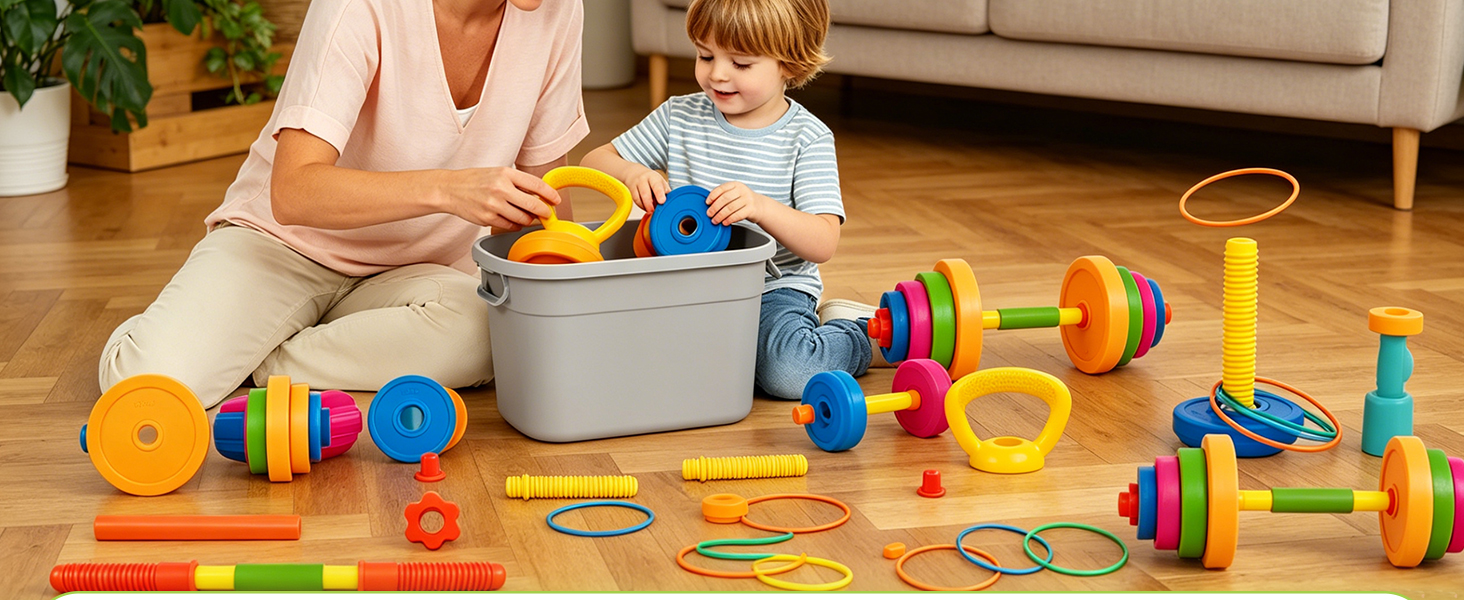
- Fitness and Training: Resistance bands, kettlebells, yoga mats, and wearable trackers for outdoor workouts.
Within each category, fit and function trump brand names. Always test gear in-store or rent before committing to big-ticket items.
Smart Trends Shaping Outdoor Gear Today
The outdoor industry is evolving rapidly, driven by technology, sustainability, and a growing community of diverse adventurers. Here are the trends worth watching:
“Ultralight” is no longer a niche—it is a mainstream expectation. Advances in materials like Dyneema and silnylon have made tents, packs, and sleep systems lighter without sacrificing durability. Meanwhile, modular designs let you strip down or add components based on conditions.
Other notable shifts include smart fabrics that regulate temperature and wick moisture more efficiently, solar-integrated charging for devices, and GPS-enabled safety beacons that provide peace of mind in remote areas. Rental and subscription services are also gaining traction, making high-end gear accessible for occasional adventurers.
Maintenance: The Secret to Long-Lasting Gear
Even the best equipment degrades without care. A few simple habits can double the lifespan of your investment:
- Clean after every trip. Dirt and sweat break down fabrics and attract mold. Rinse packs, boots, and tents with mild soap and water, then air-dry completely.
- Store properly. Keep sleeping bags loosely stuffed (not compressed) in a cool, dry place. Hang tents and packs to avoid creases.
- Inspect and repair. Check seams, zippers, and buckles regularly. Patch small tears immediately with repair tape or a sewing kit.
- Follow manufacturer guidelines. Re-waterproof jackets with appropriate treatments, and lubricate zippers with silicone-based products.
Neglect is the silent killer of outdoor gear. A ten-minute post-trip routine saves hundreds of dollars in replacements.
Sustainability and Responsible Gear Choices
The outdoors community is increasingly aware of its environmental footprint. Choosing gear made from recycled materials, supporting brands with transparent supply chains, and buying second-hand or refurbished equipment are practical steps toward sustainability. Durability is the ultimate eco-friendly feature—a jacket that lasts ten years beats three “green” jackets that fail in two. Look for repair programs and take advantage of them. When gear reaches the end of its life, recycle it through specialized programs rather than sending it to landfill.
Building a Versatile Gear Kit Without Breaking the Bank
You do not need a garage full of specialized equipment to enjoy the outdoors. Start with a core kit that covers the most common activities: a reliable daypack, supportive trail shoes, a waterproof shell, moisture-wicking layers, a headlamp, and a basic first-aid kit. Rent or borrow niche items—like snowshoes or a four-season tent—until you are sure you will use them regularly. Sales, outlet stores, and certified pre-owned programs offer significant savings without compromising quality. Prioritize comfort and safety over aesthetics; the best gear is the gear you forget you are wearing.
Final Thoughts: Invest in Experiences, Not Just Equipment
Sports and outdoors equipment is a means to an end—the end being fresh air, challenge, connection, and joy. While it is tempting to chase the latest innovations, the most valuable gear is what gets you outside consistently. Maintain what you own, choose thoughtfully, and remember that a simple, well-cared-for kit often outperforms a closet full of neglected gadgets. Now go gear up—the trail is waiting.